Meet a WNC Member: Molly McGowan Gorsuch, APR
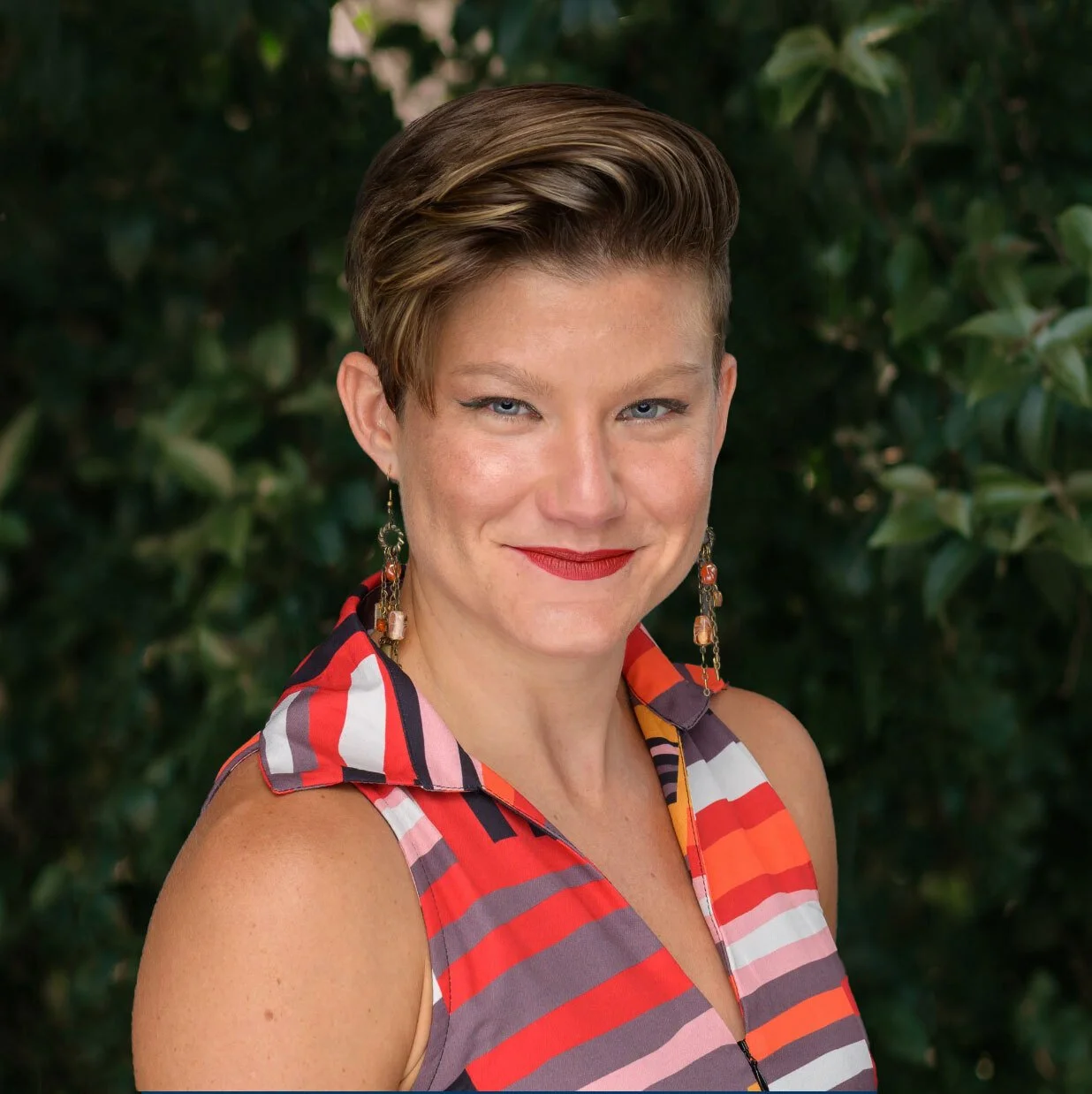
This is the first in a series of Q & A interviews with members of the PRSA WNC Chapter.
What’s one communications habit everyone should develop regardless of their job?
Listen to your people. And I don’t mean passively; be proactive about it. Depending on your job, that could be your fellow employees, or your customers, patients, voters, community members, legislators. Whatever your role, you have audiences to whom you should listen.
Put yourself in their shoes to anticipate questions or hangups they might have, seek out their perspective, and create communications and supports that address these. By creating feedback loops, you’re not only meeting the needs of your constituents - whether internal or external - you’re establishing a healthy culture and using qualitative data to optimize the work you do!
What’s the fastest lesson PR ever taught you?
People crave information and demand immediacy – but in the end, accuracy is most important. While PIO for the local school system, when we were in the midst of a public health emergency, a school lockdown, or some other crisis, it was often painful to have to hold off telling the worried parents and staff everything we might know at the time. You have empathy for your audiences and can see and hear their fear of the unknown – but sharing information before it’s verified and having to retract it later enrages the audiences you’re trying to mollify, and damages public trust. They thought they wanted the answers now. What they really wanted was to wait until you had the RIGHT answers.
What kind of stories do you love telling most?
I love a good profile or testimonial. It probably goes back to my roots as a feature reporter (and before that, a creative writing English major), but I enjoy finding and elevating those personal stories that drive home a key message. The human experience resonates with all, and making these connections for audiences brings me joy.
What advice would you give to someone pursuing their APR?
I recommend creating your ideal timeline, then work backwards before “starting the clock” (a.k.a. completing the application). Be mindful that the process is comparable to earning your master’s degree, so if you have a major life event (ie. getting married or having a baby) consider the bandwidth you’re able to devote to it.
Once you submit the application you have one year to complete the process, so I recommend applying when you are close to being ready for your panel presentation (meaning you’ve already started studying and building your project).
Studying for the APR is very much an individual, self-led process and everyone studies differently – so everyone’s path looks a little different. But the important building blocks are the same:
Free APR Study Guide (get this thing bound, you’ll be flipping through it nonstop)
A few good books (Cutlip & Center, Strategies & Tactics)
A mentor + support network (APRs, colleagues going thru the process)
Know who you are and what your study hangups are. Procrastinator? Thrive under pressure? Need to actually block time on the family and work calendars for studying? (That last one’s me.)
My journey? I’m A-type, I like structure, I love crossing things off lists, and I have anxiety. So here’s what worked for me:
I started studying 5 months before ever submitting the application (“starting the ticking clock”). I spent 2 months familiarizing myself with the Study Guide, then 3 months in the Spring cohort of the APR Prep Online Study Course (which I’d also highly recommend).
Keep in mind – I built an aggressive timeline (the words of my dear APR mentor, Cindy Warner, APR), but I had a specific end date in mind so I could be pinned at the next National School Public Relations Association seminar. Was it intense, and did I spend a lot of weekends studying? Yes. But it was doable!
A past chapter president, Molly McGowan Gorsuch, APR, is the strategic partnerships manager for the North Carolina Department of Public Instruction (NCDPI), and advocacy & outreach coordinator for the Henderson County Early Childhood Taskforce.
